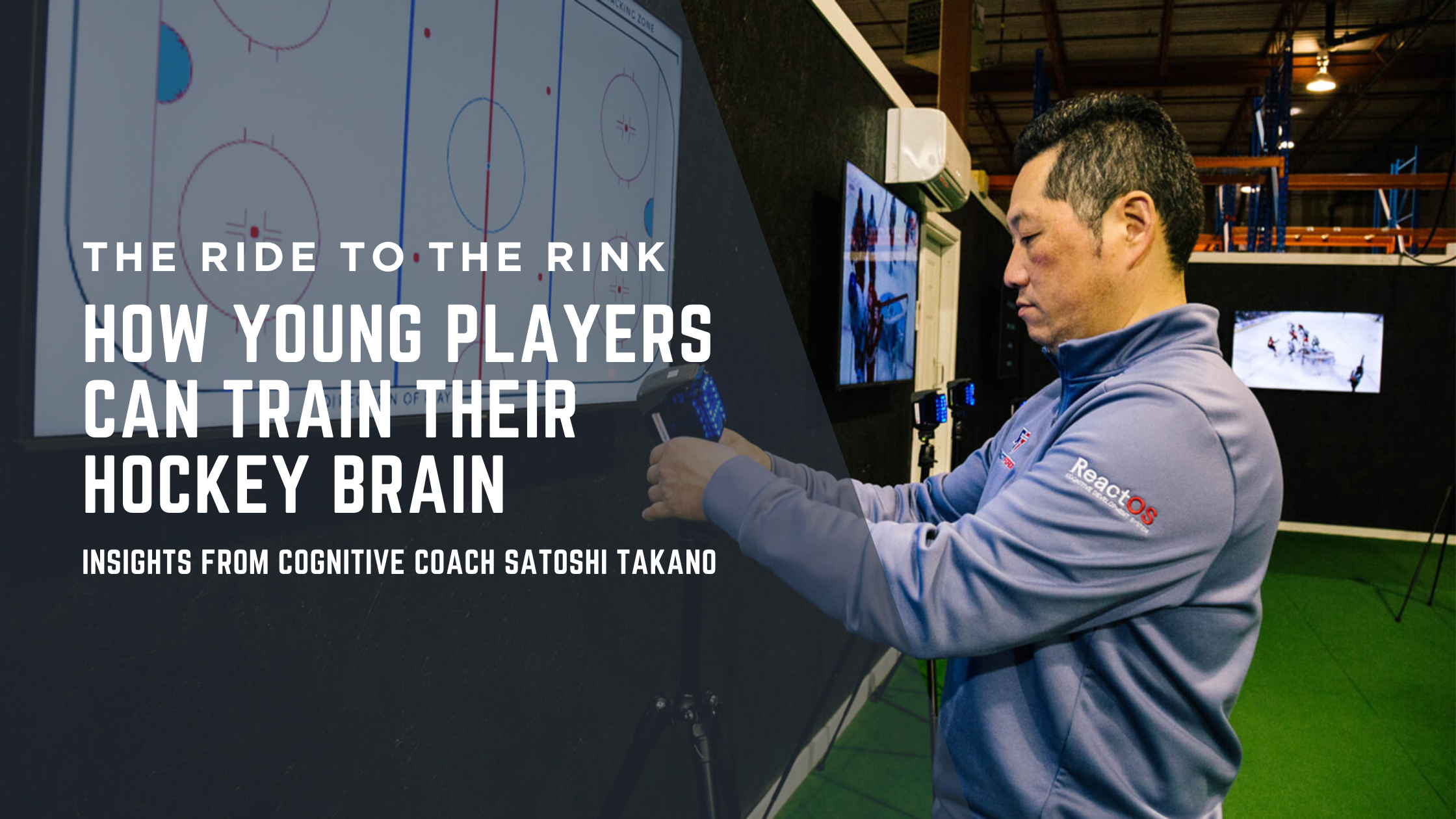
How Young Players Can Train Their Hockey Brain: Insights from Cognitive Coach Satoshi Takano
Train the Brain, Change the Game: How Kids Can Build Hockey IQ Every Day
When parents think about helping their kids become better hockey players, the first ideas that come to mind are usually the classics: skating lessons, more reps, more shooting, more practices. Those things matter — but there’s a side of the game that often gets overlooked and can make the biggest difference in a young athlete’s development:
👉 Their ability to think the game.
In a recent episode of The Ride to the Rink, cognitive performance expert Satoshi Takano joined Lee, Christie, and Mike to explain how young players can build the habits that fuel smarter decisions, better positioning, and more confident play. And the best part? Most of these skills can be trained anytime, anywhere, without ice time or special equipment.
Below are the biggest takeaways for parents and players who want to grow their hockey IQ — straight from one of the best in the business.
1. SPDM: The Simple Model Behind Elite Hockey Thinking
Satoshi breaks the game down into four steps:
See → Process → Decide → Move (SPDM)
It sounds simple, but most kids skip the first two steps and jump straight into “move.” They chase the puck, react late, or get caught off guard — not because they’re unskilled, but because they haven’t built the habit of gathering information first.
Great players don’t just react; they anticipate. They constantly scan the ice, take mental snapshots, and make decisions based on what’s coming next.
Building this habit early gives kids a massive advantage as they move up levels.
2. You Can Train Pattern Recognition on the Way to Practice
One of the most relatable moments in the episode comes when Satoshi talks about his own childhood rides to the rink. Without phones, kids naturally scanned their environment — license plates, road signs, passing cars, patterns.
It turns out those little games actually train the brain.
Parents can use car rides as a built-in thinking workout:
“How many red cars do you see before the next light?”
“Count the out-of-state license plates.”
“Read the signs — what stands out?”
These quick challenges wake up a young athlete’s visual system and help improve the same pattern-recognition skills they’ll need on the ice.
3. Pre-Scanning: A Habit That Improves Safety and Performance
Satoshi offers a powerful reminder: kids don’t look before they receive the puck nearly enough.
And in hockey, failing to scan isn’t just a performance issue — it can lead to injuries, especially for wingers who take passes along the boards.
Teaching young players to glance over their shoulders before touching the puck helps them:
Avoid pressure
Make faster decisions
Find better options
Stay safe on the ice
We’d never cross the street without looking both ways. Hockey shouldn’t be any different.
4. Training Your Hockey Brain at Home
Cognitive training doesn’t need a rink. Satoshi suggests tools like the SwitchedOn app, which creates visual cues and reaction prompts kids must respond to while they move, stickhandle, or work through drills.
But even without technology, kids can build thinking habits at home:
Stickhandle while scanning the room
React to simple visual cues from a parent or sibling
Change direction on a color call or number call
Shoot only after identifying a target
These aren’t just drills — they build the neural pathways that help young players make quicker, smarter reads under pressure.
5. The Mindset Behind Elite Athletes: Obsession in a Healthy Way
One of the strongest messages Satoshi shares is that elite performers — in hockey or anything else — are often driven by a deep, personal obsession to improve.
That doesn’t mean burnout or pressure. It means genuine curiosity and passion:
Wanting to solve problems
Wanting to understand the game
Wanting to get a little bit better each day
Kids who develop a love for learning the game tend to grow into adaptable, confident, coachable players.
Final Thoughts: Small Habits Make a Big Difference
Cognitive development might feel like a big concept, but Satoshi makes it clear: for young players, it starts with small habits woven into everyday life. Counting cars. Looking over your shoulder. Responding to cues. Staying curious.
None of these require talent — just awareness and a willingness to learn.
And as Lee reminded kids at the end of the episode, these skills will eventually become visible to everyone around them. When a young athlete begins to anticipate instead of react, it changes their entire game.
If your player enjoyed this conversation, make sure to check out the full interview with Satoshi Takano — it’s loaded with insights every family should hear. And as always, wherever your child is in their hockey journey… we believe in them.

The Truth About Hockey ID Skates: A Parent’s Guide to Pre-Skates & Tryouts