Mental Strength for Young Hockey Players: Simple Tools to Build Confidence Before the Game
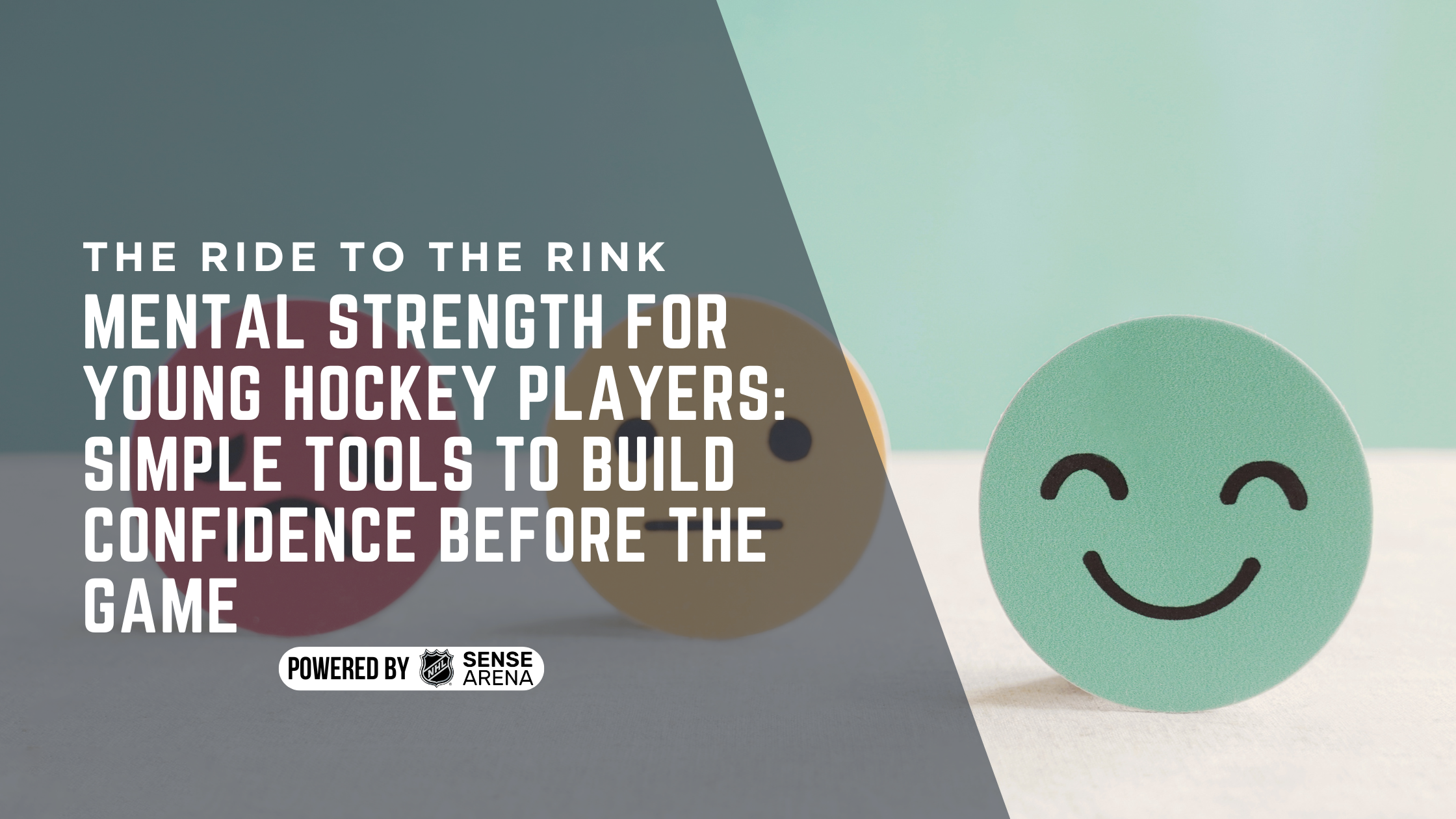
Mental Strength Starts Before You Hit the Ice
If you’re a hockey player, chances are you’ve felt it before — that nervous feeling in your stomach on the way to the rink. Maybe it’s before a big game. Maybe it’s after a mistake you can’t stop thinking about. Maybe it’s pressure you don’t quite know how to explain.
On this episode of The Ride to The Rink, hosts Lee Elias and Mike Bonelli sit down with Swedish sports psychology experts Johan Fallby and Henrik Cronebäck to share a powerful message for young players everywhere:
👉 Your thoughts and emotions aren’t the problem — they’re the key.
This short ride is packed with tools that help kids build mental strength not just for hockey, but for school, life, and everything in between.
🧠 Thoughts and Feelings Are Your Teammates
One of the biggest lessons from Johan Fallby is simple, but game-changing:
Don’t try to get rid of nervous thoughts. Get curious about them.
Every player feels emotions — before games, during games, and after games. That’s normal. Instead of avoiding those feelings, Johan encourages players to:
Think back to the last time they felt nervous
Notice why they felt that way
Recognize that those emotions are natural
When players stop fighting their thoughts, they gain control over how they respond.
As Johan explains, without thoughts and feelings, we wouldn’t be human — and we certainly wouldn’t grow.
🔄 The SOAL Method: A Mental Reset Button
Henrik Cronebäck introduces one of the most practical tools kids can use anywhere — at the rink or in the classroom — called SOAL:
S – Stop
O – Observe what you’re thinking and feeling
A – Accept it without judgment
L – Let Go and return to what you’re doing
This simple process helps the brain stop over-focusing on nerves and brings attention back to the task at hand — skating, passing, competing, or even writing a test at school.
The best part?
👉 Kids love it because it’s simple — and it works.
🏒 Mental Training Is a Skill — Just Like Skating
Mike Bonelli drives home a message every serious hockey player needs to hear:
Mental training is just as important as practicing skills.
Players spend hours working on:
Shooting
Stickhandling
Skating
Deception and creativity
But without mental fitness, those skills can get blocked by fear, pressure, or limiting beliefs.
The truth is:
Mental training helps you learn faster
It helps you recover from mistakes quicker
It builds a growth mindset that lasts far beyond hockey
And just like physical skills, it only works if you practice it consistently.
⭐ The “Top Three” Nighttime Habit
Before the day ends, Henrik shares one final habit that’s easy, powerful, and perfect for kids and families.
At night, ask yourself:
👉 What were my top three moments today?
They don’t have to be big.
A good shift
A laugh with a teammate
A favorite meal (yes — even Swedish meatballs 😉)
This habit:
Improves confidence
Supports better sleep
Builds gratitude and perspective
And it works for everyone — kids, parents, grandparents — no matter your age.
👨👩👧 Parents: Do This Together
One of the strongest messages from this episode is that kids shouldn’t do this alone.
Parents are encouraged to:
Share their own “Top Three”
Talk openly about emotions
Model acceptance and growth
When families practice these tools together, kids learn that mental strength isn’t about being perfect — it’s about being prepared.
🏁 Final Thought
Hockey will always come with pressure. So will life.
The real superpower isn’t avoiding emotions — it’s learning how to work with them.
As this episode reminds young players everywhere:
Your feelings are normal
Your thoughts can be trained
And mental strength starts long before the puck drops
🏒 No matter where you are on your journey, we believe in you — and you should too.

Play Your Role, Love the Game, and Stay Grounded — Lessons from Scott Hartnell’s Hockey Journey