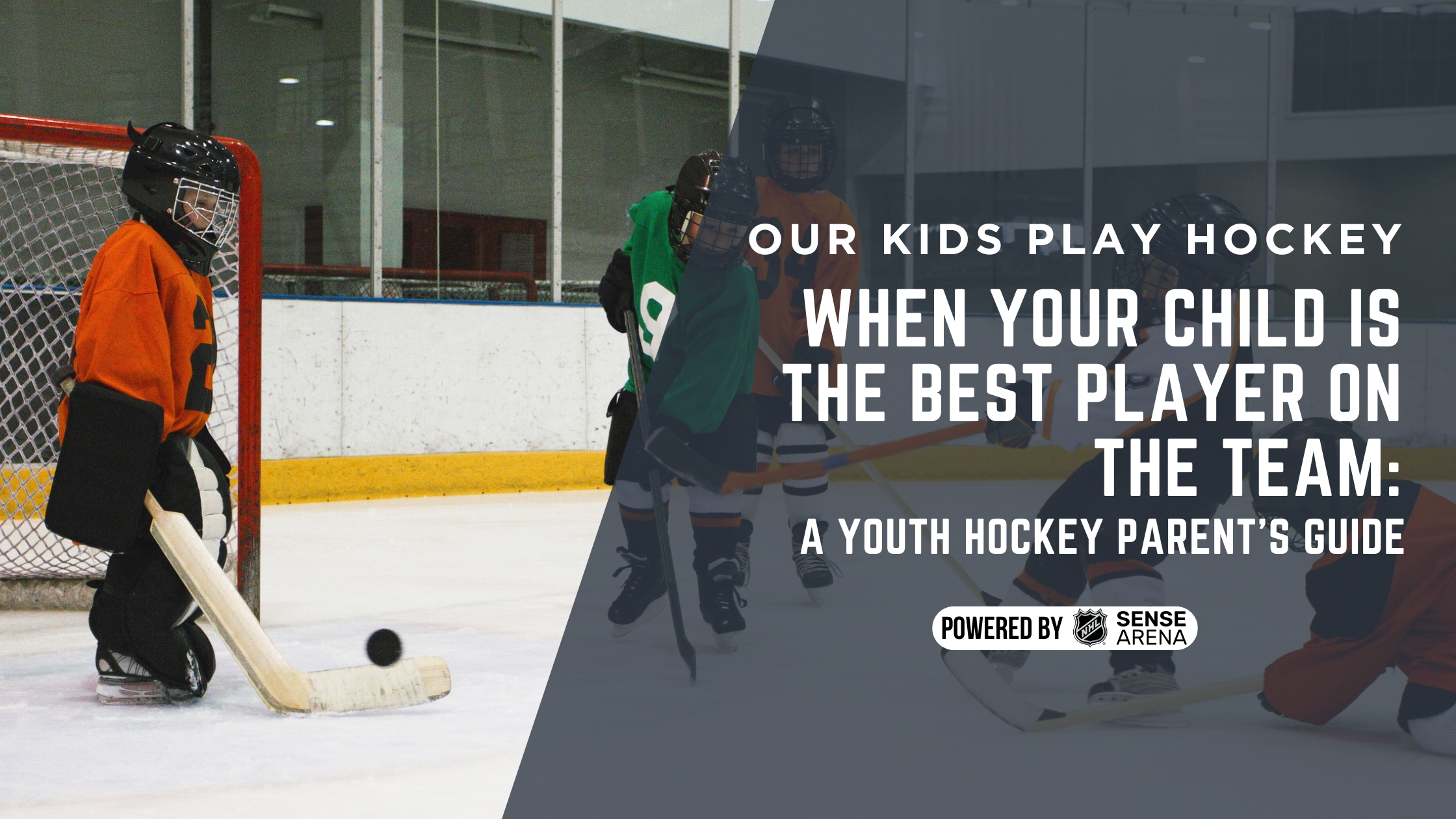
When Your Child Is the Best Player on the Team: A Youth Hockey Parent’s Guide
🏒 When Being the Best Isn’t So Simple
Every hockey parent dreams of seeing their child succeed on the ice. Scoring goals, leading the team, standing out—it’s exciting.
But what happens when your child becomes too good for their team?
That’s exactly the question we received from a parent in Sweden:
How does a young player keep improving when there’s no one left to chase?
It’s a powerful question—and one that applies to families everywhere.
💡 The Big Myth: “You Need Better Competition to Improve”
You’ve probably heard it before:
“To be the best, you have to play with the best.”
There’s some truth there—but it’s often misunderstood.
At younger ages (especially under 12), development isn’t just about competition. In fact, being a top player can actually accelerate growth in key ways:
-
More puck touches → More skill development
-
Confidence → Willingness to try new things
-
Leadership → Learning to elevate others
Being the best player isn’t a limitation—it’s an opportunity.
🚨 The Real Risk: Rushing the Process
When parents see their child excelling, the instinct is often to push for more:
-
Move up a level
-
Switch teams
-
Find “better” competition
But here’s the truth:
Rushing development can do more harm than good.
Moving up too early can lead to:
-
Less ice time
-
Lower confidence
-
Social discomfort with older players
-
Increased pressure and burnout
Development isn’t a race. It’s a long-term process.
🔑 What Actually Drives Elite Development
If your child isn’t being pushed enough during games, the answer isn’t always changing teams.
Instead, look beyond the rink.
The players who separate themselves long-term are the ones who:
-
Practice consistently off the ice
-
Take extra shots and reps
-
Study the game
-
Love the process—not just the results
In other words:
The best competition is often yourself.
🧠 A Critical Question for Parents
Here’s a moment of honesty every parent should reflect on:
👉 Does your child want this… or do you?
It’s easy to get caught up in potential, rankings, and future dreams. But true development comes from internal motivation.
Have the conversation:
-
Do they want to train more?
-
Do they want bigger challenges?
-
Are they enjoying the game?
Because if the drive isn’t coming from them, pushing harder won’t create it.
⚖️ Should Your Child Play Up?
Sometimes, moving up makes sense—but it’s rare.
Appropriate situations might include:
-
Roster needs
-
Clear physical and emotional readiness
-
Dominance far beyond peers
But in most cases, staying at the current level is the better path—especially if:
-
They’re still improving
-
They’re engaged and happy
-
They’re getting strong coaching
🌱 Don’t Underestimate Confidence & Joy
One of the most overlooked parts of development?
Loving the game.
When kids feel successful:
-
They stay motivated
-
They take risks
-
They build confidence
Those moments—scoring goals, making plays, leading teammates—fuel long-term growth.
Take that away too early, and you risk losing something far more important than competition.
🏁 Final Takeaway: Trust the Process
If your child:
-
Loves going to the rink
-
Is improving
-
Feels confident
👉 You’re on the right path.
The journey in youth hockey isn’t about getting ahead faster—it’s about building a player (and person) who lasts longer.
Support their dream.
Guide their development.
And most importantly—let them enjoy the game.
🎧 If this topic resonated with you, be sure to listen to the full episode and share it with another hockey family navigating the same journey.

How Young Hockey Players Can Handle Conflict With Teammates, Coaches, and Parents