How Busy Hockey Families Can Make Mealtime Easier and Fuel Their Players Better
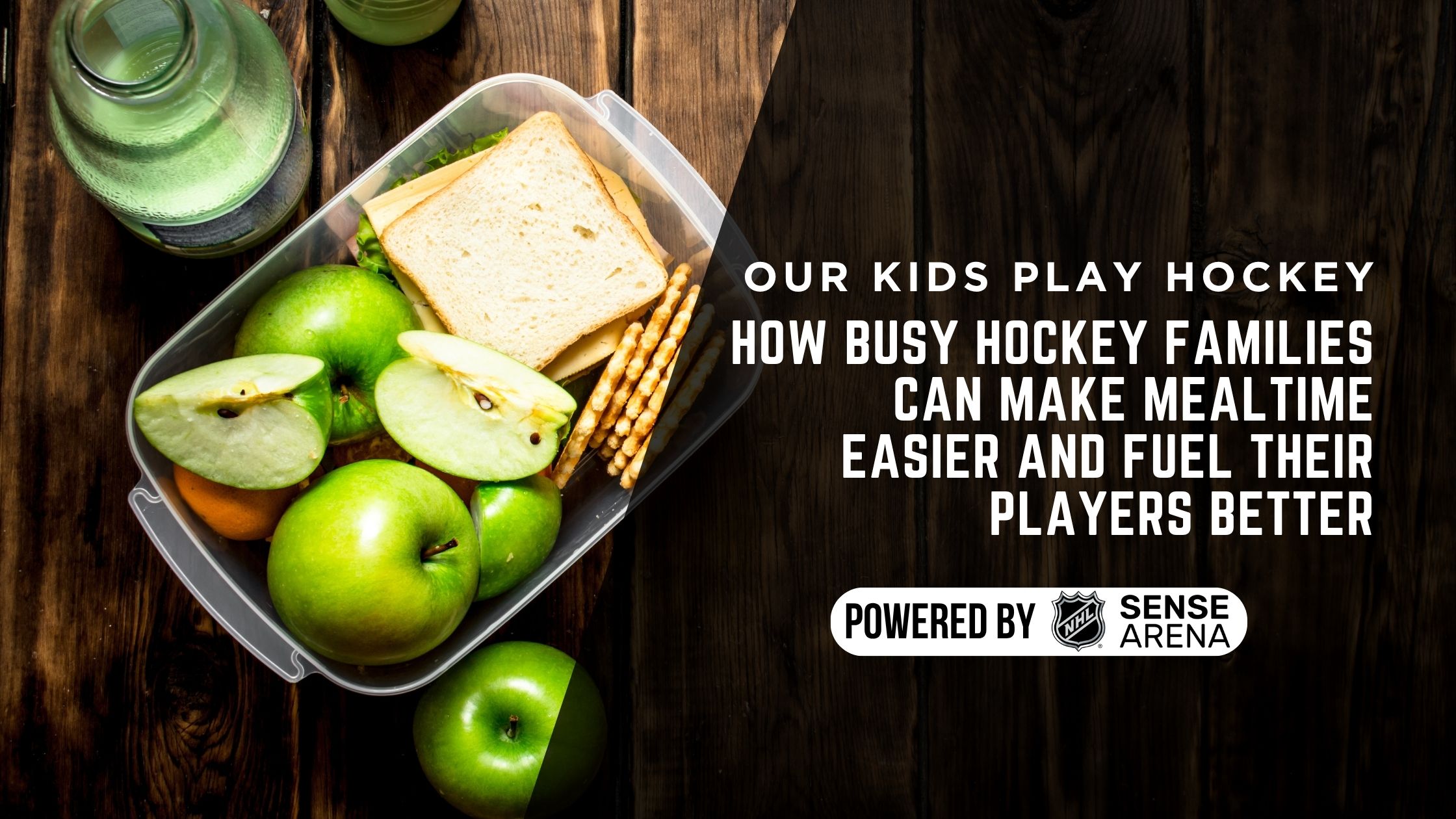
There is a question almost every hockey family eventually asks.
What are we doing for food?
Maybe practice begins right in the middle of dinner. Maybe one child has hockey while another has a different activity. Maybe you are driving directly from school to the rink. Maybe you get home late, everyone is starving, and nobody has the energy to cook.
That is when the drive-thru starts looking awfully convenient.
On this episode of Our Kids Play Hockey, Lee Elias, Mike Bonelli, and Christie Casciano-Burns took on the reality of feeding a family during hockey season—and shared something every busy parent needs to hear:
You do not need perfect meals. You need a workable plan.
The goal isn't to turn every hockey parent into a chef or every young athlete into a nutrition expert. It is to make food one less source of stress while helping players arrive at the rink better prepared for the demands of the game.
And sometimes, a little preparation can accomplish both.
Family Dinner Has Changed—But It Still Matters
Christie grew up in an Italian household where dinner was an event. Everyone sat down together. Dinner happened at a predictable time. The television went off, the family came to the table, and eating together was simply part of everyday life.
Then she became a hockey mom.
Suddenly, six o'clock dinner wasn't so simple.
Practices might start at five. Games could run into the evening. Homework had to fit somewhere. Parents were working, kids were moving in different directions, and the traditional family dinner schedule became much harder to maintain.
That experience will sound familiar to many hockey families.
But an important point emerged from the conversation: family dinner doesn't have to happen at the same time every night to still have value.
Some evenings it may happen early. Other nights it may happen after practice. Sometimes the family may split into different groups.
The clock isn't what makes the meal meaningful.
Whenever possible, maintaining those moments of connection still matters.
The Biggest Meal-Planning Problem Isn't Cooking—It's Timing
Most families know how to make a sandwich.
They know how to scramble eggs.
They know how to boil pasta, make tacos, heat leftovers, or put together something simple.
The challenge is often realizing at 5:30 p.m. that nobody decided what dinner was going to be.
By then, everyone is hungry, somebody needs to leave for practice, and convenience wins.
That is why Christie recommends creating a simple meal plan before the week begins.
It doesn't need to be elaborate.
A week might look something like:
Monday: crockpot chicken
Tuesday: tacos
Wednesday: beef or turkey with pasta
Thursday: sandwiches or leftovers
Friday: spaghetti night
The specific foods aren't the important part.
Removing the daily decision is.
If everyone knows what is planned and the ingredients are already available, the family has eliminated one more stressful decision from an already busy day.
Sunday Can Change the Entire Hockey Week
One of the most practical ideas discussed in the episode is using part of Sunday to prepare.
That might mean cooking.
But it can also mean doing smaller tasks:
Washing grapes
Portioning fruit
Preparing apples
Buying bananas
Putting cheese sticks in an easy-to-find place
Cooking extra chicken
Making a double batch of dinner
Freezing one meal for later
Portioning leftovers
Reviewing the week's hockey schedule before shopping
These aren't glamorous jobs.
They are the kinds of small jobs that make Wednesday night much easier.
The difference between an apple sitting unwashed in the refrigerator and apple slices sitting in a container may seem insignificant—until you have three minutes to leave for the rink.
Accessibility matters.
Especially with kids.
The Crockpot May Be Hockey Season's MVP
Few kitchen tools received as much praise in the episode as the crockpot.
And the reason is simple.
It does the work while hockey families are doing everything else.
Chicken can cook throughout the day and become tacos at night.
Turkey chili can be ready when everyone gets home.
Oatmeal with apples and cinnamon can even cook overnight or early in the morning when a family has a hectic start.
Perhaps the best part is walking through the door after hours at a cold rink and realizing dinner is already waiting.
The crockpot also gives families an alternative to one of tournament hockey's great logistical challenges: trying to get an entire team, parents, siblings, and coaches into a restaurant at the same time.
With planning—and where permitted—families can coordinate meals rather than relying on whatever restaurant happens to have room for a large group.
The lesson isn't really about crockpots.
It's about creating systems that work even when the family is busy.
Rotisserie Chicken Might Be the Ultimate Hockey Parent Hack
One audience submission suggested buying multiple rotisserie chickens, removing the meat, portioning it, and freezing it.
That single ingredient can become:
Tacos
Wraps
Salads
Rice bowls
Quesadillas
Pasta
Sandwiches
A simple chicken dinner
That versatility is especially helpful during hockey season because families don't always know exactly how much time they'll have.
A prepared protein gives you options.
It can also offer an economic advantage.
When a fast-food meal for multiple family members becomes the default several times a week, those stops add up quickly. Something like rotisserie chicken can stretch across several meals and create multiple combinations without requiring a new restaurant purchase every night.
Your Hockey Player Doesn't Always Need a Full Meal
One of the challenges parents face is that hockey often happens during normal meal hours.
Suppose practice runs from 5:30 to 7:30 p.m.
Does your child eat dinner at 4:30?
Do they wait until 8:30?
Do they eat a smaller meal beforehand?
There isn't one universal answer.
But families can think more intentionally about timing.
The episode discussed several food windows, including eating a larger meal farther away from ice time and using lighter, carbohydrate-focused snacks closer to activity.
Examples discussed for different situations included foods such as:
Bananas
Apples
Applesauce
Pretzels
Graham crackers
Bagels
Yogurt
Whole-grain bread
Oatmeal
Peanut butter
Turkey wraps
Fruit
Pasta
Chicken
Chocolate milk
The important concept for parents isn't memorizing a giant list.
It is recognizing that what works two hours before hockey may be different from what works 30 minutes before hockey.
Families with specific nutrition questions should always seek individualized guidance from an appropriate qualified professional, particularly when allergies, medical needs, or specialized performance goals are involved.
Picky Eaters May Surprise You
Lee shared an interesting story from a 10U training camp.
When he told parents what food would be served between sessions, some immediately warned him:
“My kid won't eat that.”
The foods weren't unusual—things like grilled chicken, pasta, and fruit.
But once the kids had trained, gotten hungry, and sat down with their teammates, something interesting happened.
They ate.
That doesn't mean picky eating isn't real.
And allergies or dietary restrictions obviously require appropriate accommodations.
But sometimes adults accidentally reinforce resistance by making the food itself a major issue.
A team environment can also create positive social influence. When athletes see teammates choosing fruit, drinking water, or eating a balanced meal, those choices start becoming normal.
Instead of food becoming a lecture from a parent, it becomes part of how the group prepares to play.
That can be powerful.
Connect Food to Something Young Players Already Care About
Young athletes may not care about the phrase “healthy eating.”
They probably care about playing well.
That gives parents and coaches a different way to frame the conversation.
Food isn't simply about obeying adults.
Food is fuel.
Hydration matters because you're asking your body to work.
Eating before activity matters because you're asking your body to produce energy.
Recovering after activity matters because you're asking your body to do it again tomorrow.
For athletes who love hockey, that connection can make nutrition easier to understand.
Rather than saying, “Eat this because it's healthy,” the conversation becomes:
“We're helping your body get ready to play.”
That is a lesson children can carry far beyond one practice or one season.
Hockey Parents Benefit From Better Planning Too
Something else happens when families start packing better food for their players:
The parents begin eating it too.
If a cooler contains fruit, hummus, vegetables, cheese, sandwiches, water, and other easy options, parents are more likely to choose those foods as well.
That matters because parents are going through long hockey days too.
They're driving.
They're working.
They're carrying bags.
They're sitting through tournaments.
They're rushing from one responsibility to another.
They also need energy.
Meal planning doesn't have to mean creating separate “athlete food” for one child and another dinner for everyone else.
The family can often eat many of the same foods and benefit together.
The Hockey Family Hall of Fame Meals
Every family has meals that simply work.
They are relatively easy.
The kids eat them.
They produce leftovers.
They don't require an enormous amount of cleanup or decision-making.
The hosts shared several of theirs.
Spaghetti and meatballs
Pasta is easy to make in larger quantities, leftovers work well, and families can adjust ingredients based on preference.
Taco night
Kids can build their own tacos and choose toppings they enjoy, making one meal flexible enough for different preferences.
Turkey chili
A make-ahead option that can be customized with toppings.
Chicken and pasta
Simple, filling, and easy to prepare in larger batches.
Breakfast for dinner
Eggs, toast, fruit, turkey bacon, pancakes, or similar breakfast staples can become a quick dinner when the schedule gets difficult.
Rice and beans
A family favorite in Lee's household that is easy to pair with other foods.
Matzo brei
Lee also shared a family favorite made with eggs and matzo—a reminder that every family's cultural traditions can become part of its hockey-season meal rotation.
And that's an important point.
There is no official hockey menu.
Your family's favorite foods, traditions, budget, schedule, and preferences should shape the system.
Don't Let Perfect Become the Enemy of Prepared
Parents are surrounded by images of perfect meals.
Perfect lunchboxes.
Perfect food prep.
Perfect nutrition.
Hockey families don't need another standard they feel they're failing to meet.
Some nights will go smoothly.
Some nights you'll eat leftovers.
Some nights you'll have breakfast for dinner.
And yes, sometimes you're going to get pizza or stop for fast food.
The goal isn't to eliminate every treat, restaurant meal, or spontaneous dinner.
The problem is when lack of planning makes the decision for you every night.
A little preparation creates choices.
That's the win.
Teaching Kids to Plan Food Is Bigger Than Hockey
Mike made another important connection during the conversation.
Hockey is often described as a vehicle for teaching life skills.
Meal preparation belongs on that list.
Invite kids into the process.
Ask what meals they want that week.
Let them help shop.
Show them how portions work.
Teach them to prepare something simple.
Let them discover which foods make them feel good before playing.
As they get older, those skills become increasingly important.
Eventually, young players will become adults who need to grocery shop, cook, budget, plan, and take care of themselves.
Knowing how to make a simple meal may ultimately be more useful than many of the things adults rush to teach young athletes.
Better Preparation Can Be a Hockey Advantage
Hockey parents spend a lot of time looking for ways to help their children improve.
Power skating.
Shooting lessons.
Clinics.
Camps.
Off-ice training.
Equipment.
Development programs.
Those things receive plenty of attention.
But players also need to eat.
And when a young athlete consistently arrives underfueled, dehydrated, or relying entirely on whatever snack happens to be available at the rink, all the extra development work in the world doesn't change that basic reality.
Food doesn't need to become another source of pressure.
It should become part of preparation.
Plan a few meals.
Keep simple snacks available.
Use the crockpot.
Cook extra.
Freeze leftovers.
Pack something before leaving for the rink.
Give your kids choices.
And remember the line that may best summarize the entire conversation:
The goal isn't gourmet.
It's getting your family fed, helping your athlete prepare, and making hockey season a little less stressful.
🎧 For more practical conversations about youth hockey, parenting, coaching, development, and everything that happens around the rink, listen to Our Kids Play Hockey and share the episode with another hockey family who has asked, “What are we doing for dinner?” at least once this week.
And if your family has a go-to hockey meal, tournament snack, or rink-day food hack, join the conversation. The best advice in hockey often comes from families helping other families find what works.
Keep supporting your players, keep enjoying the ride, and we'll see you around the rink.


What Really Makes a Great Young Goalie? Lessons from Andrew Raycroft