Why Hockey Development Isn’t About Winning Young | Scott Howes
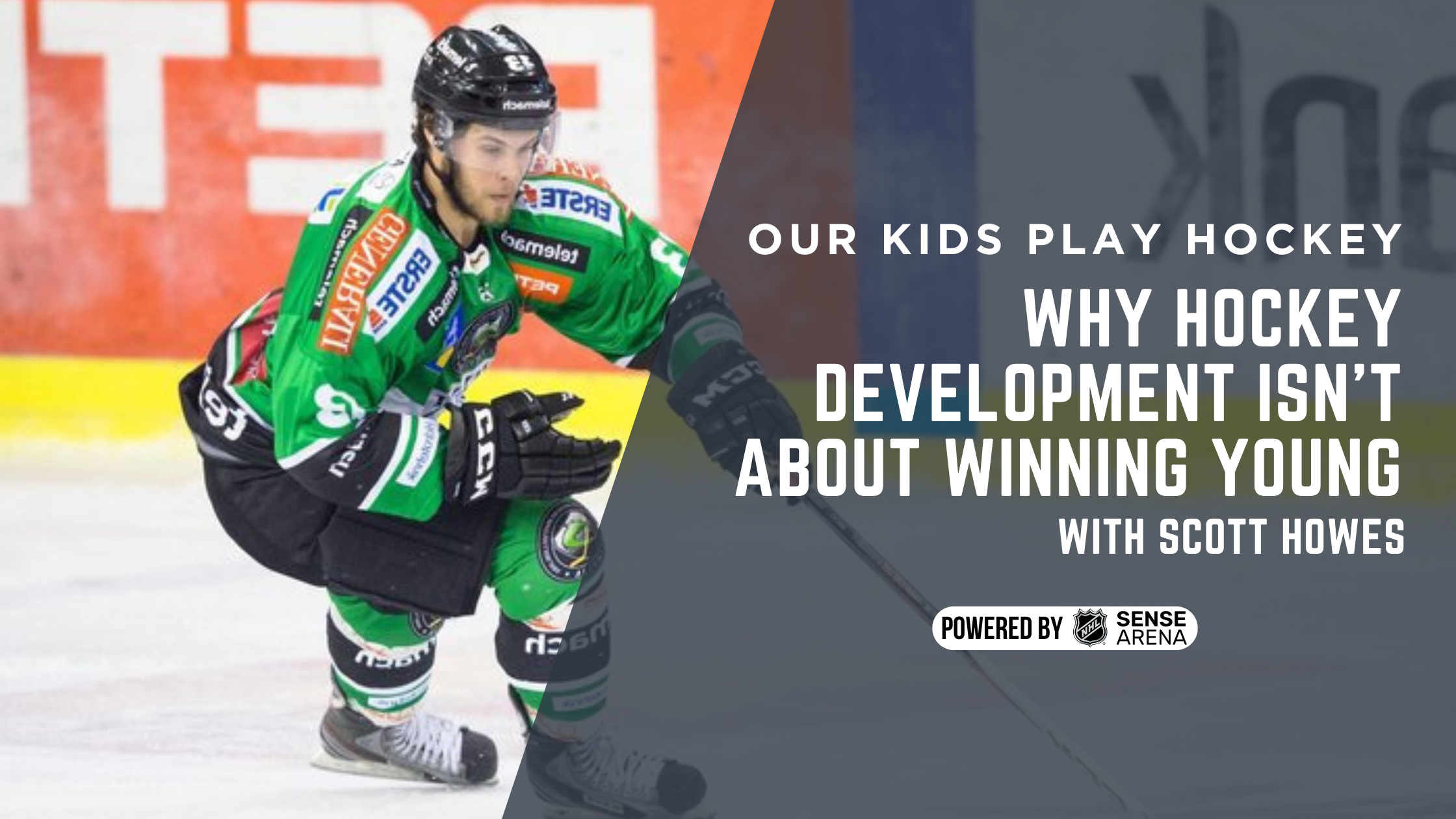
Why Hockey Development Isn’t About Winning Young
There’s a moment in every hockey family’s journey when the pressure starts creeping in.
Maybe it’s the first AAA tryout.
Maybe it’s the first time your child gets cut.
Maybe it’s hearing other parents talk about rankings, scouts, showcases, or “the path.”
And somewhere along the way, hockey can start feeling less like a game… and more like a race.
That’s exactly why this conversation with former pro hockey player Scott Howes hit home in such a powerful way on Our Kids Play Hockey.
Because Scott’s story completely challenges the idea that there’s only one way to succeed in hockey.
He wasn’t drafted into the OHL.
He stepped away from high-level hockey at one point.
He played house league.
He took an unconventional route.
And yet… he still made it to professional hockey.
But more importantly, his experiences gave him a perspective that every hockey parent and coach needs to hear.
The Biggest Myth in Youth Hockey: “If My Kid Falls Behind, It’s Over”
One of the strongest themes throughout the episode was the dangerous belief that young players need to constantly stay ahead.
Ahead in development.
Ahead in rankings.
Ahead in elite programs.
Scott pushed back hard against that mindset.
He explained that many players who experience early success never truly face adversity until much later — and when challenges finally arrive, they struggle to adapt.
Meanwhile, players who fight through setbacks often develop something much deeper:
- resilience
- competitiveness
- perspective
- work ethic
- emotional strength
Those qualities matter.
A lot.
Especially in a sport as demanding as hockey.
Scott’s own path proves that development isn’t linear. Players grow at different times physically, mentally, and emotionally. The kid dominating at age 10 may not be the same player at 16.
That’s why chasing status too early can become incredibly harmful.
House League Hockey Can Be a Gift
One of the most refreshing parts of the conversation came when Scott talked about rediscovering joy in hockey through house league.
After feeling overwhelmed by the politics and pressure of elite hockey at a young age, he stepped away and played in a free community-based league in Toronto.
And something important happened there:
He had fun again.
That joy mattered.
Because when kids genuinely enjoy hockey:
- they want to practice
- they become curious
- they experiment creatively
- they develop confidence naturally
- they stay in the sport longer
Too often, adults pull kids out of the present moment by focusing on future outcomes.
Scholarships.
Junior hockey.
Drafts.
Making “the team.”
But kids naturally live in the moment. They just want to play.
As Scott explained beautifully, it’s often the adults who unintentionally take that joy away.
Hockey IQ vs Hockey Highlights
One of the most fascinating discussions centered around Hockey IQ.
Today’s young players are more skilled than ever. Kids can execute incredible stickhandling moves and creative plays at astonishingly young ages.
But Scott raised an important concern:
Many players are learning highlights instead of learning hockey.
Social media rewards flashy moments.
But actual hockey success depends on understanding:
- positioning
- timing
- spacing
- support
- decision-making
- anticipation
As Scott explained, true Hockey IQ develops through:
- watching games
- understanding situations
- making mistakes
- reading pressure
- learning patterns
Not just practicing trick moves.
That doesn’t mean creativity is bad. Creativity is essential.
But hockey sense comes from understanding why plays work — not simply copying what looks cool online.
The Reality of “Making It”
One of the most eye-opening parts of the episode came when Scott described life in professional hockey.
Parents and players often imagine the glamour:
- packed arenas
- contracts
- travel
- excitement
But the reality can be far different.
Scott shared stories about:
- long road trips
- exhausting travel
- tiny hotel rooms
- healthy scratches
- uncertainty
- pressure
- injuries
- constant competition
Even after reaching professional hockey, nothing is guaranteed.
And that’s an important reminder for families chasing elite levels at very young ages.
The goal shouldn’t simply be “making it.”
The goal should be helping young athletes become:
- confident
- resilient
- coachable
- adaptable
- good teammates
- mentally healthy people
Because those qualities will serve them for life — whether hockey lasts five years or twenty.
Why Great Teammates Matter More Than Parents Realize
Another major takeaway from this conversation was the importance of being a great teammate.
Scott explained that talent alone is never enough.
At higher levels, the skill gap becomes incredibly small. Coaches and organizations begin looking closely at:
- attitude
- versatility
- coachability
- leadership
- locker room presence
The players who extend careers are often the players teammates want around every day.
That lesson applies far beyond hockey.
Sports become one of the best environments for kids to learn:
- accountability
- communication
- sacrifice
- trust
- empathy
And those lessons often matter more than wins and losses ever will.
Coaches: Development Requires Patience
For coaches, Scott delivered an especially important message:
Development requires allowing mistakes.
Players cannot improve decision-making if they’re terrified of making errors.
Young athletes need:
- encouragement
- freedom
- patience
- confidence-building environments
That doesn’t mean removing accountability.
It means understanding that growth is messy.
The best youth coaches aren’t simply trying to win the next game.
They’re preparing players for who they can become years from now.
As the group discussed during the episode:
“The squirts you coach today become the peewees tomorrow.”
Development compounds over time.
The Viral Goal Was Amazing… But It Wasn’t the Point
Of course, the conversation also covered Scott’s legendary viral goal — still considered one of the greatest highlight-reel team goals many fans have ever seen.
And yes… it’s incredible.
But even that moment became a teaching point.
Because behind every highlight are thousands of unseen hours:
- practices
- mistakes
- video sessions
- failures
- repetition
- sacrifice
Highlights are fun.
But development happens in the quiet work nobody sees.
Final Thoughts
This episode served as a powerful reminder that youth hockey should not be treated like a race.
There is no perfect path.
There is no guaranteed timeline.
And there is no shortcut that replaces joy, growth, and character.
Scott Howes’ journey proves that players develop differently — and sometimes the setbacks become the very things that build future success.
For parents, coaches, and players alike, maybe the most important takeaway is this:
Let kids love the game first.
Everything else grows from there.
🎧 Be sure to listen to the full episode of Our Kids Play Hockey featuring Scott Howes for even more stories, insight, and perspective on what truly matters in youth hockey.

How to Be a Better Teammate to Your Hockey Goalie