Youth Hockey Concussions: What Every Parent Needs to Know
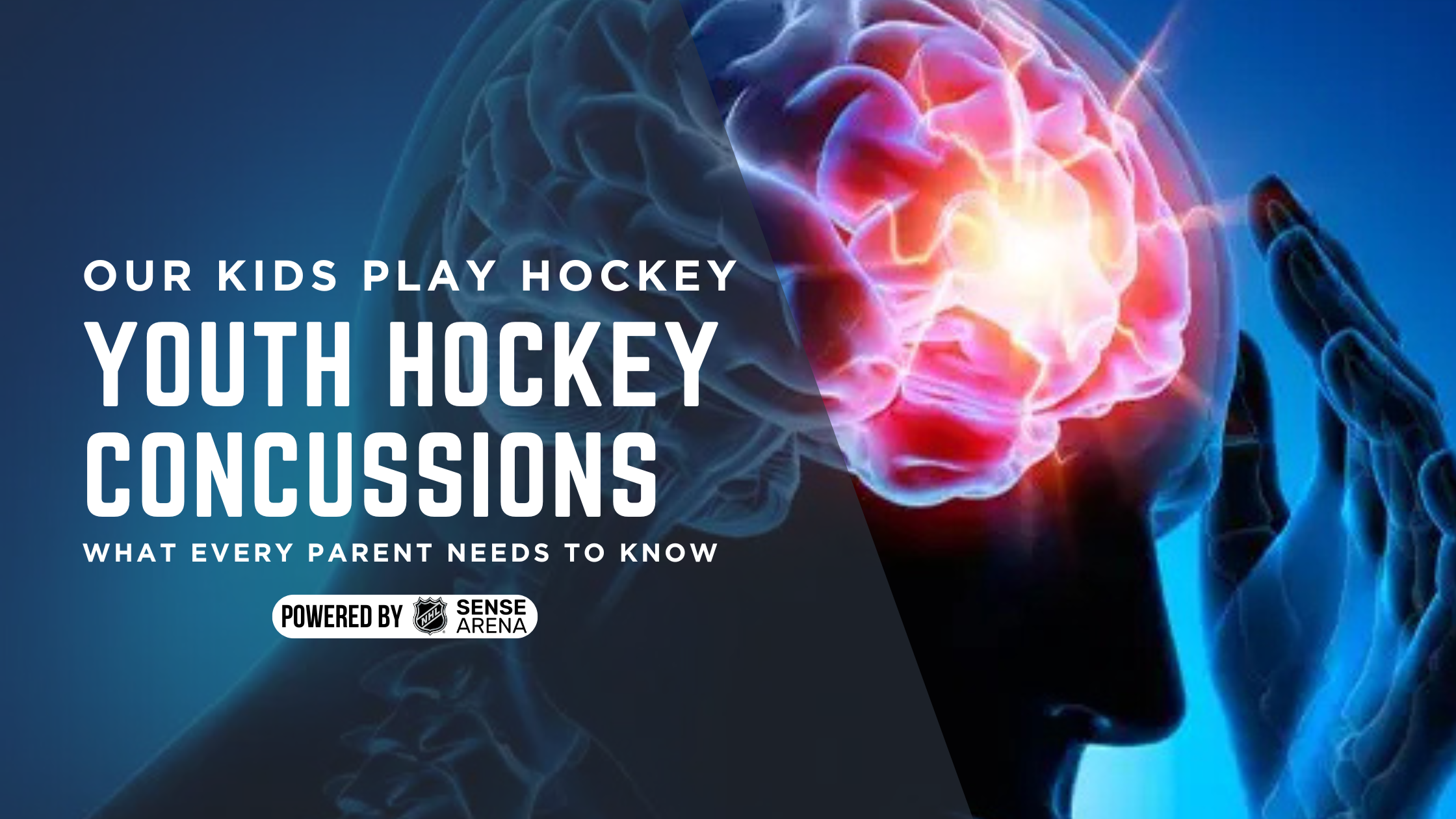
🧠 Concussions are one of the most important — and most misunderstood — topics in youth hockey.
Nobody likes talking about them. They can feel scary, complicated, and frustrating. They are hard to see, hard to measure, and sometimes hard to explain to a young athlete who just wants to get back on the ice.
But this is exactly why hockey families need to have the conversation.
In this episode of Our Kids Play Hockey, Lee Elias, Mike Bonelli, and Kristi Casiano Burns sit down with Dr. Robert Barock, founder of MyConcussionDoctor.com, to talk about concussions in a practical, responsible, and parent-friendly way. This is not a fear-based conversation. It is a smart, honest one. The goal is simple: help families better understand brain health, recognize warning signs, and make better decisions when it matters most.
Because at the end of the day, no shift, no game, no tournament, and no championship is more important than a child’s future.
Why This Conversation Matters So Much
Hockey families are used to bumps, bruises, soreness, and the normal wear and tear of sport. A cut can be seen. A broken bone can be imaged. A strained muscle has a fairly predictable recovery path.
Concussions are different.
They do not always look dramatic. A player does not have to be knocked unconscious. They may not even look seriously hurt in the moment. In fact, some of the most important symptoms show up later — after the game, that night, or even the next day.
That uncertainty is what makes concussions so challenging. It is also what makes education so important.
For many adults, the old-school hockey mindset was simple: get up, shake it off, and keep going. That mentality was common for years. But we now know much more about brain health, recovery, and long-term risk. Families today have better information, and with that comes a responsibility to use it.
What a Concussion Actually Is
One of the most eye-opening parts of the conversation is Dr. Barock’s explanation of how difficult concussions can be to define in a neat, simple way.
A concussion is not always a dramatic event. It exists on a spectrum. Some head injuries are severe and obvious. Others are subtle. But that does not mean they are harmless.
What matters most for parents to understand is this: head injuries can be cumulative.
That means the issue is not always one huge hit. Sometimes it is the buildup of many head bumps over time, whether they happen in hockey, at school, at home, in the backyard, or during everyday life. One seemingly minor incident can become the one that finally pushes the body into a real problem.
That perspective changes everything.
Instead of only watching for the “big scary hit,” families should understand that concussions can come from:
- A fall backward onto the ice
- Contact with the boards
- Incidental contact with another player
- A collision in practice
- A bump outside of sports entirely
That is one of the most important takeaways from this episode: brain health is not only a sports issue. It is a life issue.
Why Concussions Can Be So Hard to Spot
One reason concussions are so misunderstood is that they do not always announce themselves clearly.
A child might get up right away. They might finish the shift. They might even say they feel fine.
Then later, something changes.
Parents may notice:
- Unusual tiredness
- Trouble sleeping
- Mood changes
- Irritability
- Trouble concentrating
- Difficulty multitasking
- Changes in appetite
- A different attitude or affect
- Sensitivity to lights, noise, or busy environments
That is why the hosts and Dr. Barock keep coming back to one major point: parents know their child best.
A coach may be watching the whole bench. An official is watching the game. A parent is often the one most tuned in to subtle changes in that one child’s behavior. If something feels off, that instinct matters.
Trust it.
The Problem With the “Shake It Off” Culture
This part of the conversation may hit home for a lot of hockey families.
Hockey culture has long valued toughness. Playing through discomfort is often praised. Battling through adversity is part of the sport’s identity. There is a lot of good in that mindset when it comes to resilience, discipline, and commitment.
But toughness becomes dangerous when it overrides judgment.
A player trying to “gut it out” through a possible concussion is not being brave. They may be putting themselves at serious risk. And when adults encourage that mentality — even unintentionally — the consequences can follow a child long after the season ends.
One of the strongest messages in this episode is this: your kid is not weak if they sit out because they are injured.
That is not softness. That is wisdom.
And for parents, that means being willing to make the hard call even when emotions are high. Even when the game matters. Even when the team needs them. Even when others might not understand.
Because protecting your child’s long-term health is not overreacting. It is parenting.
What Parents and Coaches Can Actually Do
This episode is especially valuable because it does not stop at awareness. It gives families practical ways to think and act.
1. Slow everything down
If there is a possible head injury, resist the urge to rush. The child’s health comes before the score, the standings, or the next shift.
2. Watch for changes, not just dramatic symptoms
A concussion does not have to look obvious. The key may be what changes over the next hours or days.
3. Use caution with return-to-play
This was a major focus of the episode. A player should not return just because they want to, a parent wants them to, or one opinion says they probably can.
A proper return-to-play process should be thoughtful, individualized, and medically guided.
4. Be your child’s biggest advocate
This may be the most important action step of all. If you believe your child should sit, sit them. If you think something is wrong, speak up. If you are uncomfortable, listen to that feeling.
5. Make sure equipment fits properly
The hosts make a strong point here: helmet quality matters, helmet fit matters, and chin straps matter. Protective equipment may not eliminate concussion risk, but properly fitted gear is still a key part of safety.
6. Take prevention seriously
The conversation also touches on things families can do proactively, including neck strengthening, nutrition, and helping athletes develop healthy habits that support overall brain and body health.
Youth Hockey Is Not the NHL
This is a crucial distinction that often gets lost.
Professional players have access to elite medical teams, constant monitoring, and a full infrastructure built around diagnosis and recovery. Youth hockey families do not have that environment.
That means comparisons to the pros can be misleading.
A young athlete is still developing. Their life is not built around professional hockey. Their future is much bigger than the next game. So the standard for caution should be even higher.
Just because a pro player returned quickly from something does not mean a youth athlete should.
That is a powerful reminder for parents, coaches, and even the players themselves.
The Sidney Crosby Example Still Matters
One of the most compelling moments in the conversation is the discussion of Sidney Crosby and how his concussion struggles helped shift hockey’s awareness.
At the time, there was criticism. Confusion. Debate. Some people questioned why such a great player would sit out so long.
But looking back, his situation helped show the hockey world that concussions are real, serious, and worthy of patience. It helped move the conversation forward.
That matters because young players are always watching what the sport values.
When the game makes room for recovery, it sends a message. It tells families that protecting the brain is not weakness. It is part of being responsible, competitive, and smart.
The Bigger Picture: Hockey Is Part of Life, Not All of It
One of the most grounded ideas in this episode is something that applies far beyond concussions:
The goal is not just to get through the season. The goal is to protect the child for life.
Hockey is wonderful. It teaches teamwork, perseverance, leadership, resilience, and joy. It creates memories and friendships that last forever.
But hockey is not bigger than a child’s future.
Parents can love the game deeply and still draw clear lines. In fact, that is what good hockey parenting looks like. It means cheering hard, supporting dreams, and also knowing when to step in and say, “Not today. Your health comes first.”
That is not anti-hockey.
That is pro-child.
Main Takeaways for Hockey Families
Here are the biggest lessons from this conversation:
- A concussion does not need to involve a knockout or dramatic moment
- Symptoms can be delayed
- Head injuries can be cumulative
- Parents should trust what they observe
- No game is worth risking long-term brain health
- Return-to-play should be cautious and individualized
- Properly fitted equipment still matters
- A strong hockey culture should include smart safety habits
- Advocating for your child is part of the job
Final Thoughts
This is one of those episodes every hockey family should hear — not because we want parents to live in fear, but because we want them to lead with confidence.
The more we understand concussions, the better we can protect young athletes. The more we normalize smart decision-making, the healthier the game becomes. And the more we remind kids that their value is not tied to playing through injury, the more we help them grow into healthy, resilient people both on and off the ice.
That is a win worth chasing.
Thanks for being part of the Our Kids Play Hockey community and for doing the work that matters most: helping kids love the game while keeping their health, growth, and future at the center of it all.
Keep learning, keep asking questions, and keep showing up for your hockey family in the ways that matter most.

How to Be More Coachable—and Learn More From Every Hockey Shift