How Young Hockey Players Can Build Hockey IQ by Watching the Game
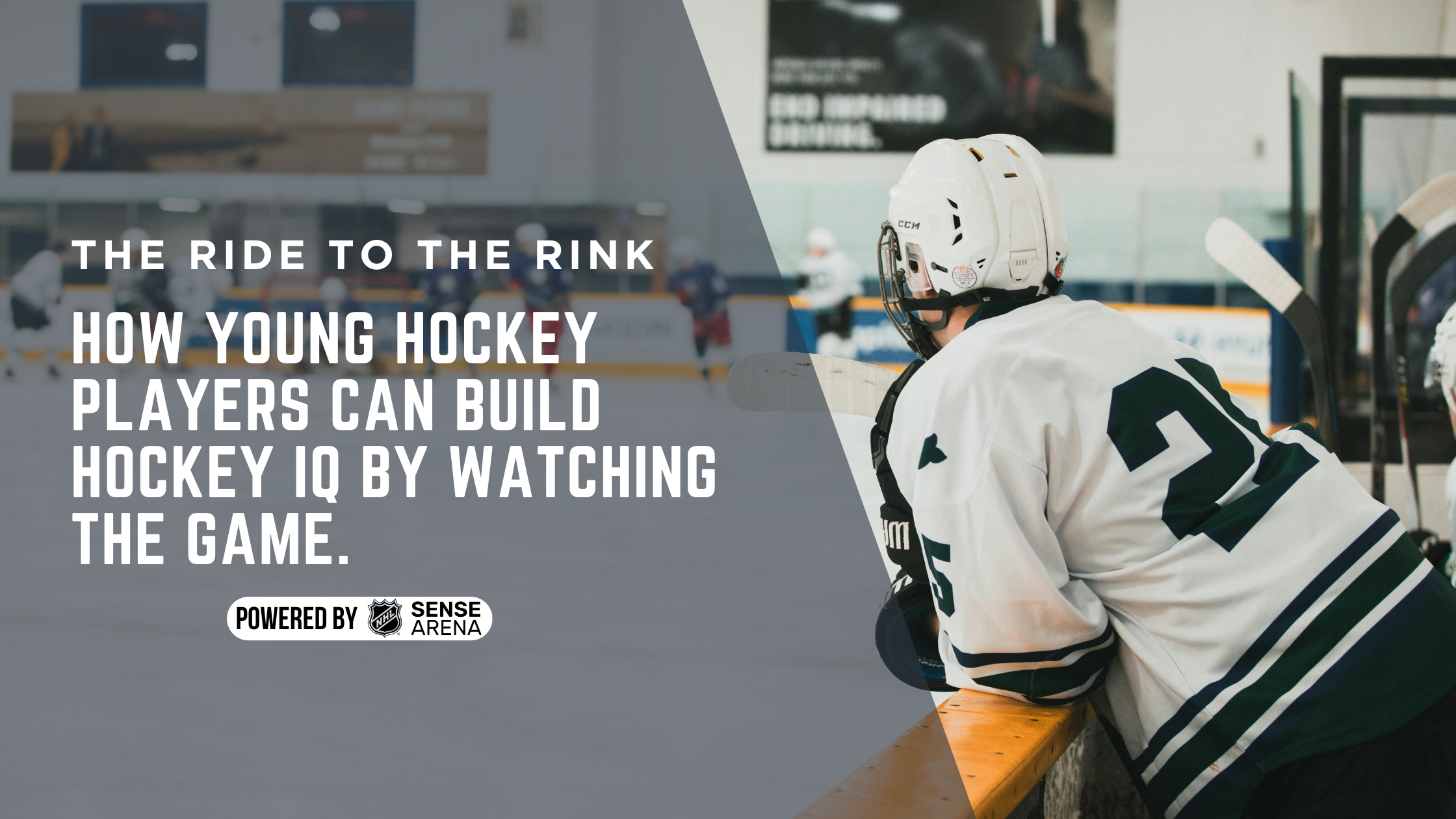
How Young Hockey Players Can Build Hockey IQ by Watching the Game
In youth hockey, players often think improvement only comes from more ice time, extra lessons, or harder workouts. While skill development absolutely matters, one of the most powerful tools for becoming a smarter hockey player doesn’t require stepping onto the ice at all.
It starts with learning how to watch the game.
On this episode of The Ride To The Rink, former pro player and youth coach Scott Howes joined Lee, Christie, and Mike to share practical advice for young players who want to better understand hockey, improve decision-making, and raise their Hockey IQ.
And the best part? Any player can start doing it today.
Stop Watching Only Highlights
Highlights are fun. Big goals, huge saves, end-to-end rushes — they’re exciting for everyone.
But according to Scott Howes, highlights only tell a tiny part of the story.
The real learning happens in the moments before the big play.
A great goal usually starts several decisions earlier:
- A smart breakout pass
- A blocked shot
- Good defensive positioning
- A turnover forced in the neutral zone
- Strong support away from the puck
When players only watch the finish, they miss the details that created the opportunity.
That’s where Hockey IQ begins to grow: understanding why plays happen, not just celebrating the result.
Watch Hockey With Intention
One of the most important points from the episode was simple:
Watching hockey casually is different from studying hockey.
Scott encouraged young players to watch games with purpose. Instead of simply following the puck, players can focus on:
- One specific player
- Positioning away from the puck
- Decision-making under pressure
- Support habits
- Defensive reads
- Transitions
Wayne Gretzky famously studied where the puck was going before it got there. That anticipation helped separate him from everyone else.
Young players can start developing that same awareness by learning to recognize patterns during games.
Questions to think about while watching:
- Why did that player move there?
- What options did they have?
- What created the scoring chance?
- How did the defending team react?
- What happened before the turnover?
These small observations build hockey sense over time.
Reviewing Your Own Video Changes Everything
For many young players today, game video is easier to access than ever before.
Scott shared a great reminder: don’t just watch your own highlights.
Watch your entire shifts.
That’s where the real growth happens.
Reviewing video helps players:
- Understand positioning
- See missed opportunities
- Recognize habits
- Improve decision-making
- Learn timing and spacing
- Build self-awareness
And importantly, players often remember what they were thinking in those moments. That makes self-review even more valuable because they can connect decisions with outcomes.
Instead of simply asking:
“Did I score?”
Players can ask:
- Was I in the right position?
- What were my options?
- Did I support my teammates?
- Could I have made a simpler play?
- What happened before the puck got to me?
Those questions create learning opportunities that improve overall hockey intelligence.
Great Questions Create Great Players
One of the strongest messages in the episode was this:
“Great questions demand great answers.”
Curiosity matters.
Players who actively try to understand the game often develop faster because they engage mentally, not just physically.
Coaches love players who ask thoughtful questions like:
- “What should I have looked for here?”
- “Why was this play successful?”
- “What was the better option?”
- “Where should I move without the puck?”
The goal isn’t perfection.
The goal is learning.
Players who develop the habit of thinking through the game become more adaptable, confident, and aware in every situation.
Hockey Is More Than End-to-End Rushes
Young players often think hockey is all offense — skate fast, score goals, repeat.
But as Mike pointed out during the episode, that’s not how hockey truly works at higher levels.
The game is connected.
Defense creates offense. Positioning creates opportunities. Awareness creates time and space.
When players begin understanding:
- Team structure
- Flow of the game
- Support positioning
- Defensive habits
- Transition play
…they become more complete players.
And that understanding starts with observation.
Don’t Forget to Have Fun
The episode closed with one of the most important reminders young athletes can hear:
Have fun.
Scott reflected on how quickly hockey years go by and how much he misses meaningful games and time at the rink.
That perspective matters.
Development is important. Improvement matters. Competing matters.
But youth hockey should still feel exciting, enjoyable, and rewarding.
When players stay curious, work hard, and genuinely enjoy the process, growth often follows naturally.
Final Thoughts
If you want to become a smarter hockey player, start paying attention differently.
Watch the game.
Study the details.
Ask questions.
Review your shifts.
Learn from teammates and opponents.
And most importantly, stay curious.
Because Hockey IQ isn’t built overnight — it’s built one observation, one question, and one decision at a time.
🎧 Keep learning, keep growing, and enjoy every ride to the rink.

How to Be a Better Teammate to Your Hockey Goalie